
Roof replacement
Roof replacement with asphalt shingles or stone-coated steel
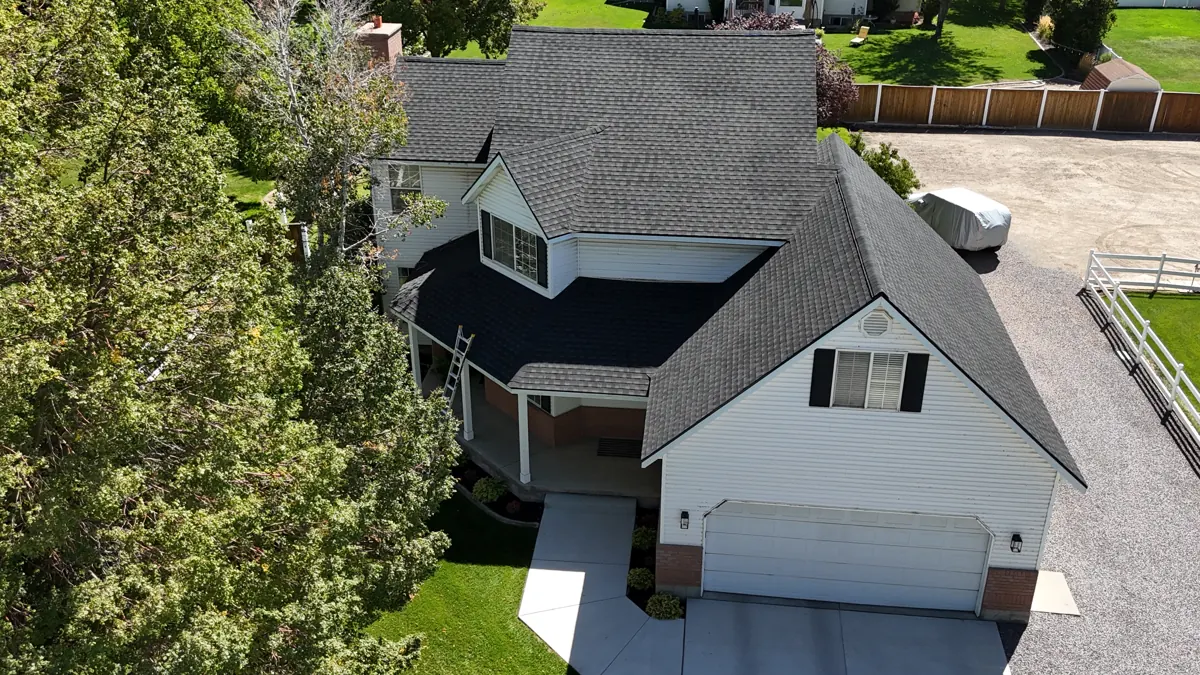
When a roof is past repairing, we replace it with asphalt architectural shingles or stone-coated steel, and we build the new roof around an attic that breathes. Every replacement starts with a free in-home inspection, with photos, and a walkthrough of what we found.
Signs it's time to replace, not repair
- Shingles are curling, cracking or losing granules across the whole roof, not just one spot
- Leaks keep showing up in new places after repairs
- The decking feels soft or spongy, or you can see sagging along the roofline
- The roof already has two layers, so the next step has to be a tear-off
- Upstairs rooms run hot every summer, or you get ice dams every winter, and the attic ventilation was never set up right
If the damage is isolated, a repair may make more sense. If the shingles are aging but still sound, rejuvenation can buy time. We'll tell you which one we'd do on our own house.
Asphalt architectural shingles
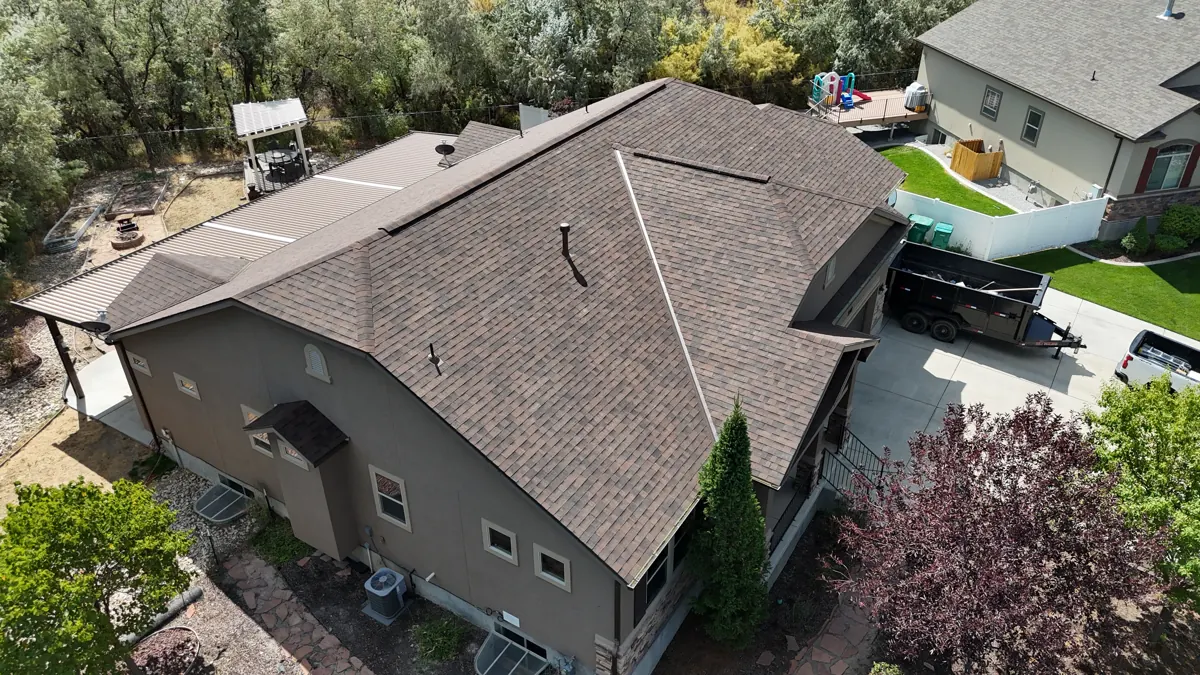
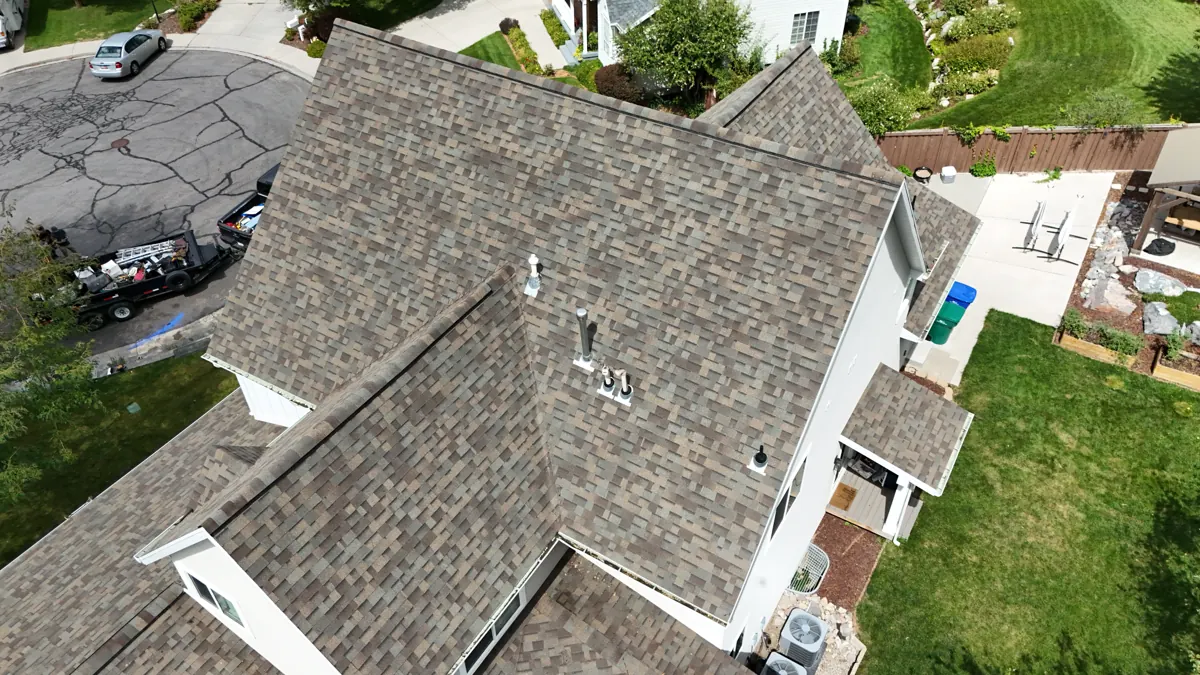
Architectural (dimensional) asphalt shingles are the most common roof on the Wasatch Front. They're thicker and more textured than older three-tab shingles, come in a wide range of colors, and are the most budget-friendly way to put a new, long-lasting roof on a home. A shingle roof's lifespan depends heavily on the attic under it, which is why ventilation is part of every proposal we write.
Stone-coated steel
Stone-coated steel panels are formed steel coated with stone granules, made to look like shake, tile or shingles. They're much lighter than concrete or clay tile, hold up well to wind and hail, and last a long time.
Stone-coated steel is usually installed on battens, which leaves an air space between the panels and the roof deck. Combined with balanced attic ventilation, that air space helps keep summer heat from moving straight into the attic. For homeowners focused on comfort and energy efficiency, it's a strong option.
What we look at and spell out in your proposal
- Tear-off. How many layers are on the roof now and what comes off.
- Decking. Signs of soft or damaged sheathing, and how replacement is handled if we find more once the old roof is off.
- Underlayment and ice barrier. What goes under the new roof, including ice barrier at the eaves where it's needed.
- Flashing and penetrations. Walls, chimneys, skylights, pipe boots and vents.
- Ventilation. Intake at the eaves, exhaust near the ridge, and whether the balance needs to change. More on ventilation.
- Radiant barrier. Whether one makes sense for your house.
- Material and color. Asphalt shingles or stone-coated steel, and the color.
Whoever you hire, ask them to put each of these in writing. Most surprises on a roof job come from something that wasn't spelled out up front.
Built for Utah weather
Snow, freeze-thaw and ice dams
Wasatch Front roofs carry snow for weeks at a time and cycle through freeze and thaw all winter. Ice dams form when heat leaking into the attic melts snow that refreezes at the colder eaves. Good ventilation and air sealing are the real fix, and an ice barrier at the eaves is the backup that keeps meltwater out when ice does form.
Summer heat
A dark roof in July can heat an unventilated attic far above the outside temperature. That heat ages shingles from underneath and pushes into the rooms below. Balanced ventilation, and a radiant barrier where it fits, make a real difference.
Wind
Bench homes in Davis County and along the east side of the valleys see strong canyon winds. Proper nailing and sealed starter and ridge courses matter more there than almost anywhere else.
Already had your roof done by Kuality Roof?
Kuality Roof was an assumed name of Koyle Industries L.L.C., the same company behind No Middleman Home Services, and we honor those warranties, including transfers to new homeowners.
Find out if it's time to replace
Roofing is the one thing we don't price over the phone. We come to your home, inspect the roof and attic for free, take photos, and walk you through what we found. If work makes sense, you get a bid.